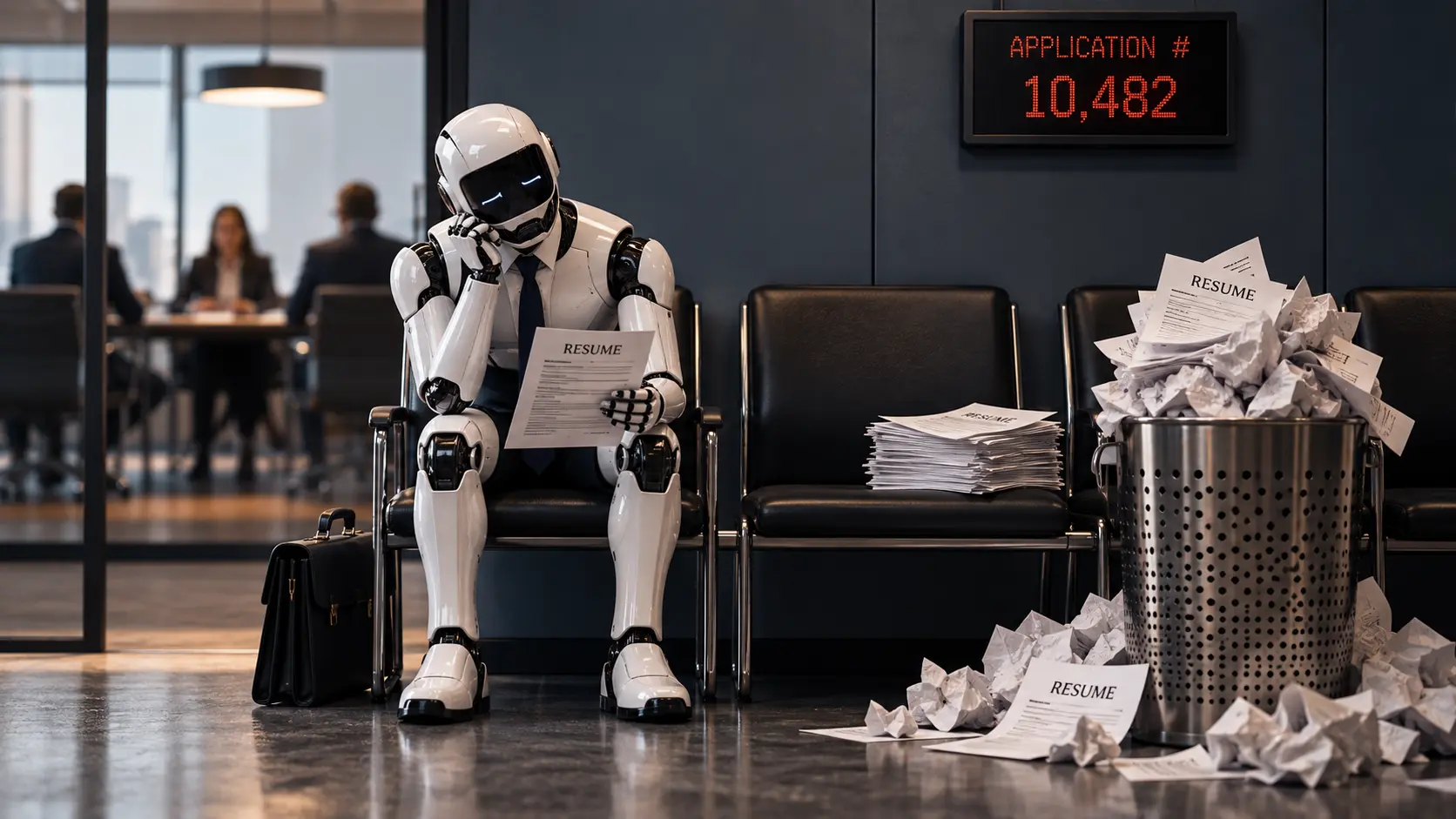
AI-generated resumes are everywhere right now, and recruiters can usually tell pretty quickly when a resume was heavily written by AI. That doesn’t mean using AI tools is automatically bad. In fact, many candidates are using ChatGPT and similar platforms to brainstorm ideas, improve wording, and organize information more efficiently. The problem starts when the …


AI-generated resumes are everywhere right now, and recruiters can usually tell pretty quickly when a resume was heavily written by AI. That doesn’t mean using AI tools is automatically bad. In fact, many candidates are using ChatGPT and similar platforms to brainstorm ideas, improve wording, and organize information more efficiently.
The problem starts when the resume stops sounding like a real person.
Why Are Recruiters Seeing So Many AI-Generated Resumes?
The rise of AI-generated resumes makes sense. Job seekers are dealing with a highly competitive market, longer hiring timelines, and Applicant Tracking Systems (ATS) that often feel confusing and frustrating.
AI tools can help candidates:
- Organize resume content
- Improve grammar and structure
- Generate ideas faster
- Tailor resumes to job descriptions
There’s nothing wrong with using technology to improve your presentation. Recruiters use technology too.
The issue is that many AI-generated resumes now sound almost identical.
What Makes AI-Generated Resumes Stand Out In A Bad Way?
Recruiters are increasingly seeing resumes filled with generic business language, keyword stuffing, vague accomplishments, and overly polished summaries that don’t actually say much.
You’ve probably seen phrases like:
- “Results-driven professional”
- “Dynamic team player”
- “Proven track record”
- “Strategic thinker”
The problem is that AI tools tend to recycle the same language patterns repeatedly. After reviewing enough resumes, recruiters start recognizing the formula pretty quickly.
And yes, some candidates are now over-optimizing resumes for ATS systems instead of focusing on communicating real value clearly.
How Should You Use AI When Writing A Resume?
Think of AI as an assistant, not a replacement.
AI tools can absolutely help you brainstorm bullet points, improve wording, identify missing skills, or organize your experience more clearly. But the final resume still needs to sound like you.
A strong resume should reflect your actual experience, accomplishments, communication style, and personality. Recruiters are not just evaluating keywords, they’re evaluating judgment, clarity, credibility, and fit.
What Do Recruiters Actually Want To See?
Recruiters want resumes that are:
- Clear
- Specific
- Easy to follow
- Tailored to the role
- Honest about accomplishments
Authenticity matters more than candidates realize. Ironically, as AI-generated resumes become more common, resumes that feel more human often stand out more.
Scott Singer is the President and Founder of Insider Career Strategies Resume Writing & Career Coaching, a firm dedicated to guiding job seekers and companies through the job search and hiring process. Insider Career Strategies provides job search strategy, resume writing, LinkedIn profile development, career coaching, and executive career services.
Looking for guidance on your resume or job search strategy? Schedule a free strategy session and resume review. You can email Scott Singer at scott.singer@insidercs.com or contact us here.
Book a Consultation
It’s easy and free!