Writing your first resume can feel like a Catch-22. You need experience to get a job, but how are you supposed to gain experience if nobody will hire you? Here's the good news: You can create a strong resume. As a college student or recent graduate, you've likely developed valuable skills through coursework, academic projects, …

Writing your first resume can feel like a Catch-22. You need experience to get a job, but how are you supposed to gain experience if nobody will hire you?
Here’s the good news: You can create a strong resume. As a college student or recent graduate, you’ve likely developed valuable skills through coursework, academic projects, extracurricular activities, volunteering, and part-time jobs.
The key is knowing how to present those experiences to potential employers.
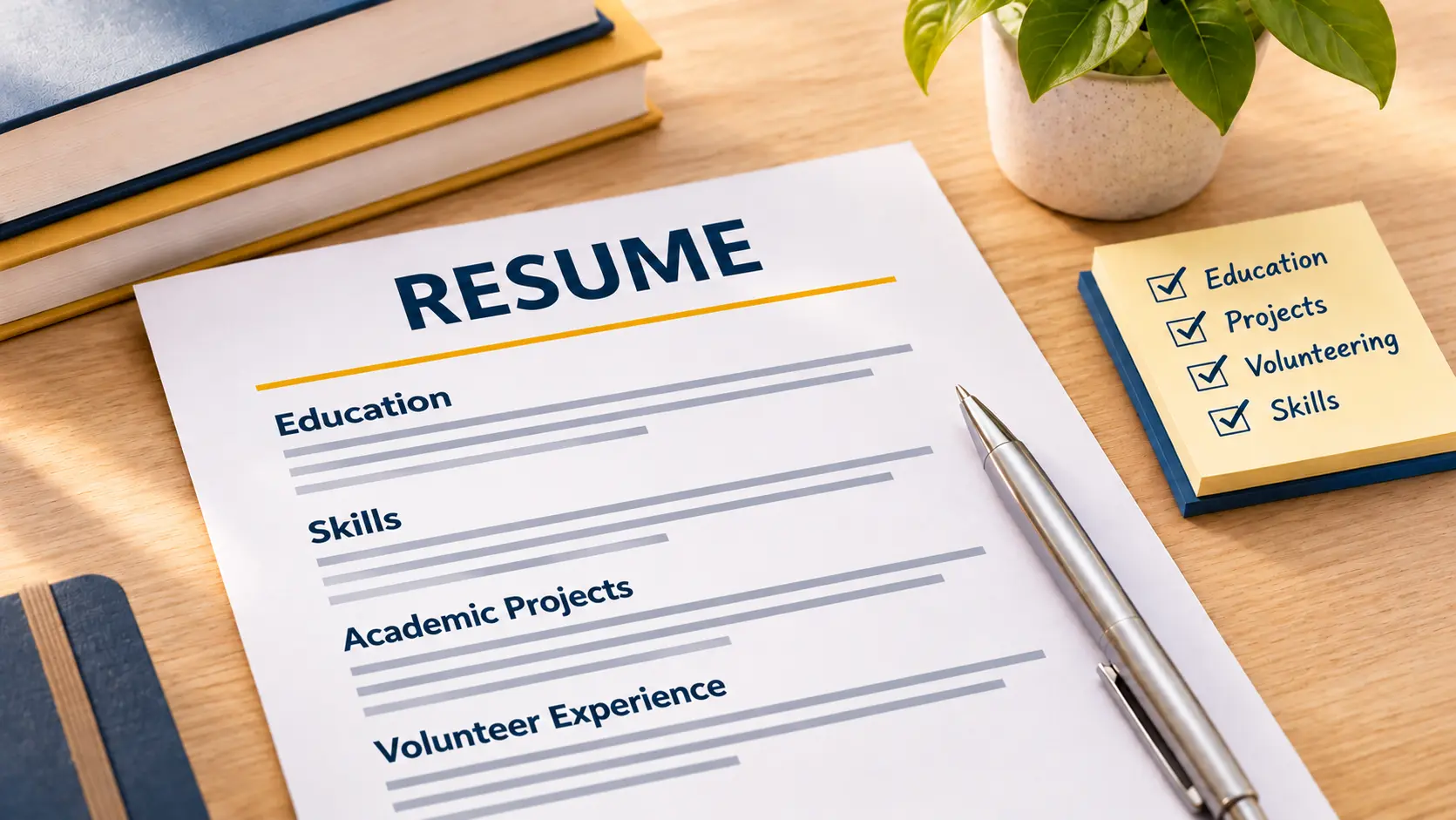
1. Start With Your Education and Relevant Skills
When you have limited work experience, your education can be one of your strongest selling points.
Include your degree, school, expected or actual graduation date, and relevant coursework. Academic honors, scholarships, and a strong GPA can also help demonstrate your accomplishments.
Next, highlight skills that relate directly to the positions you’re pursuing. These might include technical abilities, research, data analysis, project management, communication, or proficiency with specific software.
Focus on skills you can demonstrate through applicable examples on the resume or in an interview, not just qualities you think employers want to hear.
2. Treat Academic Projects as Real Experience
That semester-long group project? The research presentation you spent weeks preparing? They may be more relevant to your job search than you realize.
Academic projects can demonstrate your ability to solve problems, collaborate, manage deadlines, and apply classroom knowledge to practical situations.
Consider creating an Academic Projects section on your resume. For each project, briefly explain what you accomplished and the skills you used.
For example, instead of writing:
“Completed a group marketing project.”
Try:
“Collaborated on 4-person student project team to develop a marketing strategy, conduct competitor research, and present recommendations.”
The second version gives employers a clearer picture of your capabilities.
3. Don’t Overlook Part-Time Jobs and Volunteer Work
Your experience doesn’t have to come from a corporate office to count.
Working in retail, serving customers at a restaurant, tutoring classmates, or volunteering for a nonprofit can demonstrate transferable skills employers value.
Think about what you actually accomplished. Did you train new employees, coordinate an event, resolve customer issues, or help improve a process?
Even unpaid volunteer work can demonstrate leadership, initiative, and responsibility. If it’s particularly relevant to your target position, don’t bury it at the bottom of your resume.
4. Keep Your Resume Simple and Professional
A creative resume design might look impressive, but complicated layouts can make it harder for applicant tracking systems (ATS) to read your information.
For most college students and recent graduates, a clean, one-page resume is a good starting point.
Use clear headings, consistent formatting, and bullet points that emphasize accomplishments rather than simply listing responsibilities.
Pay attention to the language in job descriptions, too. When your actual skills match an employer’s requirements, use relevant terminology so recruiters can recognize the connection.
And always proofread. Small mistakes can create a poor first impression.
5. Use AI as a Tool, Not Your Resume Writer
AI tools can help you organize information, improve wording, and identify skills you may have overlooked.
But be careful about letting AI write your entire resume.
Generic phrases like “results-driven professional” or “dynamic team player” don’t tell employers much about you. Your resume should reflect your actual experiences, accomplishments, and personality.
Use AI to refine your message, but make sure the final version sounds authentic and every claim is accurate.
Your First Resume Is About Potential
Employers hiring entry-level candidates understand that you may not have extensive professional experience. They’re looking for evidence that you have the skills, initiative, and potential to succeed.
Your job is to help them see it.
Need help turning your college experiences into a compelling resume? SpringLoad Career Coaching helps college students and recent graduates develop effective resumes, strengthen their job-search strategies, and confidently take their next career steps. Contact us to learn how we can help you get started.
Book a Consultation
It’s easy and free!