
AI resume tools are everywhere right now. Between ChatGPT, resume builders, LinkedIn integrations, and AI-powered writing platforms, job seekers can generate a polished-looking resume in minutes. Naturally, a lot of people are wondering the same thing: can AI actually write a resume that gets interviews? The honest answer is yes — and no. AI can …

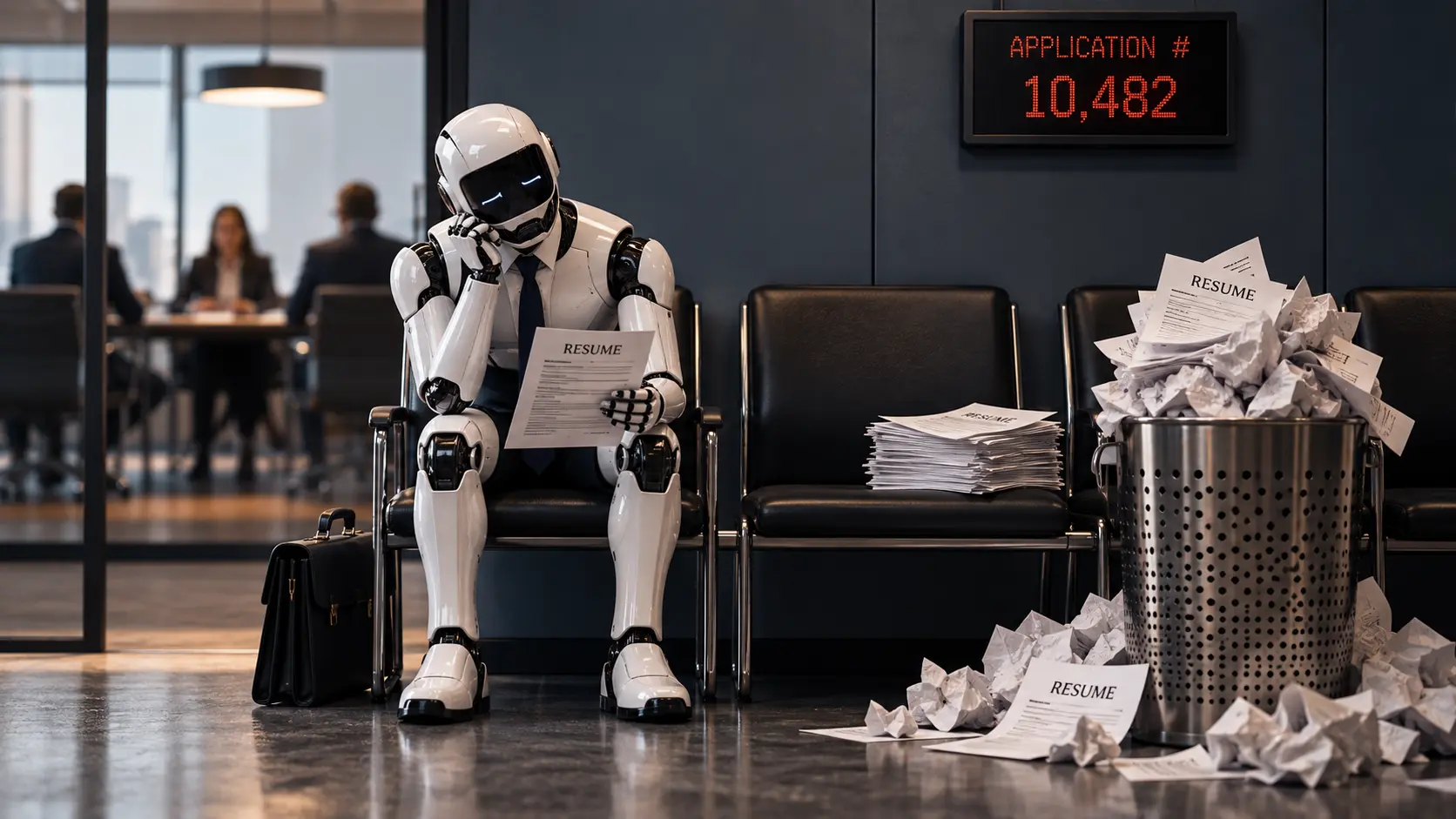
AI resume tools are everywhere right now. Between ChatGPT, resume builders, LinkedIn integrations, and AI-powered writing platforms, job seekers can generate a polished-looking resume in minutes. Naturally, a lot of people are wondering the same thing: can AI actually write a resume that gets interviews?
The honest answer is yes — and no.
AI can absolutely help improve a resume. But relying on AI too heavily can also create some very obvious problems that hiring teams are starting to notice quickly.
What Can AI Help With On A Resume?
AI can be very useful for:
- Organizing ideas
- Improving formatting
- Brainstorming accomplishment statements
- Identifying missing keywords
- Rewording awkward phrasing
- Helping candidates overcome “blank page syndrome”
For many job seekers, AI can make the resume-writing process feel less overwhelming and more approachable.
And honestly, some people who struggle to write about themselves benefit tremendously from having a starting point.
What Problems Do Employers See With AI-Generated Resumes?
The biggest issue is that many AI-generated resumes start sounding exactly the same.
Hiring teams are increasingly seeing resumes filled with:
- Generic leadership language
- Overused buzzwords
- Keyword stuffing
- Vague accomplishments
- Artificially polished phrasing
- Content that sounds impressive but says very little
A resume still needs personality, specificity, and clear evidence of real-world accomplishments. AI often struggles with nuance, context, and authentic professional storytelling.
Can AI Hurt Your Chances Of Getting Interviews?
Potentially, yes.
A heavily AI-written resume may technically contain the “right” keywords for Applicant Tracking Systems (ATS), but if the content feels generic or disconnected during human review, it can absolutely hurt credibility.
And remember, recruiters and hiring managers are not only evaluating your resume. They’re evaluating consistency between:
- Your resume
- LinkedIn profile
- Interview communication
- Career progression
- Professional brand
If the resume sounds dramatically different from how you actually communicate, that disconnect can become noticeable quickly.
How Should Job Seekers Use AI Responsibly?
The best approach is usually treating AI as a tool, not a replacement for strategic thinking.
Use AI to:
- Generate ideas
- Improve structure
- Refine wording
- Brainstorm accomplishments
- Help tailor resumes
But make sure the final version still sounds like you.
Strong resumes communicate real business impact, career progression, leadership style, and professional identity in a way that feels authentic and specific. That still requires human judgment, self-awareness, and strategy.
AI can absolutely help you build a stronger resume. But it usually works best when combined with thoughtful editing, personalization, and a clear understanding of what employers are actually looking for.
Scott Singer is the President and Founder of Insider Career Strategies Resume Writing & Career Coaching, a firm dedicated to guiding job seekers and companies through the job search and hiring process. Insider Career Strategies provides job search strategy, resume writing, LinkedIn profile development, career coaching, and executive career services.
Looking for guidance on your resume or job search strategy? Schedule a free strategy session and resume review. You can email Scott Singer at scott.singer@insidercs.com or contact us here.
Book a Consultation
It’s easy and free!


