You graduated, polished your résumé, and started applying for jobs. Maybe you've submitted dozens of applications, only to receive automated rejection emails or no response at all. It's frustrating, especially after spending years earning your degree. If you're wondering why you're not getting interviews after college, the problem may not be your qualifications. It could …


You graduated, polished your résumé, and started applying for jobs. Maybe you’ve submitted dozens of applications, only to receive automated rejection emails or no response at all.
It’s frustrating, especially after spending years earning your degree.
If you’re wondering why you’re not getting interviews after college, the problem may not be your qualifications. It could be how you’re presenting your experience, where you’re applying, or the strategy behind your job search.
Why Aren’t Employers Responding to My Applications?
Entry-level positions can attract large numbers of applicants, and employers often have limited time to evaluate each candidate.
Even qualified graduates may struggle to get noticed when their résumés don’t clearly demonstrate how their skills match the position.
Common reasons applications don’t lead to interviews include:
- Applying to positions without meeting important requirements
- Using the same generic résumé for every application
- Failing to highlight relevant coursework, internships, projects, achievements, or transferable skills
- Relying entirely on online job boards
- Overlooking networking and professional connections
The solution isn’t necessarily to submit more applications. It’s to make each application more intentional.
How Can I Improve My Résumé Without Much Work Experience?
Employers understand that recent graduates may not have years of professional experience. But they still want evidence that candidates can contribute.
Your résumé should connect what you’ve accomplished to what an employer needs.
For example, instead of simply listing a class project, explain what you contributed, which skills you used, and what you achieved.
Part-time jobs, volunteer activities, student organizations, and internships can also demonstrate leadership, communication, problem-solving, and teamwork.
Tailor your résumé to each opportunity by emphasizing the qualifications most relevant to the job description. Use accurate terminology that reflects your experience rather than inserting keywords you can’t support.
For additional guidance, read our article on competing for entry-level jobs without an internship.
Should I Apply to More Jobs or Focus on Networking?
Both matter, but submitting hundreds of applications without a strategy can become an exhausting numbers game.
Start by identifying employers and positions that genuinely align with your skills and interests.
Then look for opportunities to connect with people who work in those industries. Alumni networks, professors, former internship supervisors, career fairs, and LinkedIn can all provide valuable connections.
Networking doesn’t mean asking strangers for jobs. It means building relationships, learning about organizations, and gaining insights that may help you identify opportunities.
A thoughtful conversation can sometimes provide information that a job posting never will.
Could AI Be Hurting My Job Search?
AI tools can help you research employers, organize your applications, improve the clarity of your résumé, and help tailor the resume to specific job opportunities.But relying on AI to generate every application can produce generic language that doesn’t reflect your actual accomplishments or personality.
Employers want to understand what makes you a strong candidate, not read another collection of polished but interchangeable statements.
Use AI as a supporting tool, and make sure your résumé and communications remain accurate, specific, and authentically yours.
When Should I Get Help With My Job Search?
If you’ve been applying consistently without receiving interviews, it’s worth reviewing your approach before continuing with the same strategy.
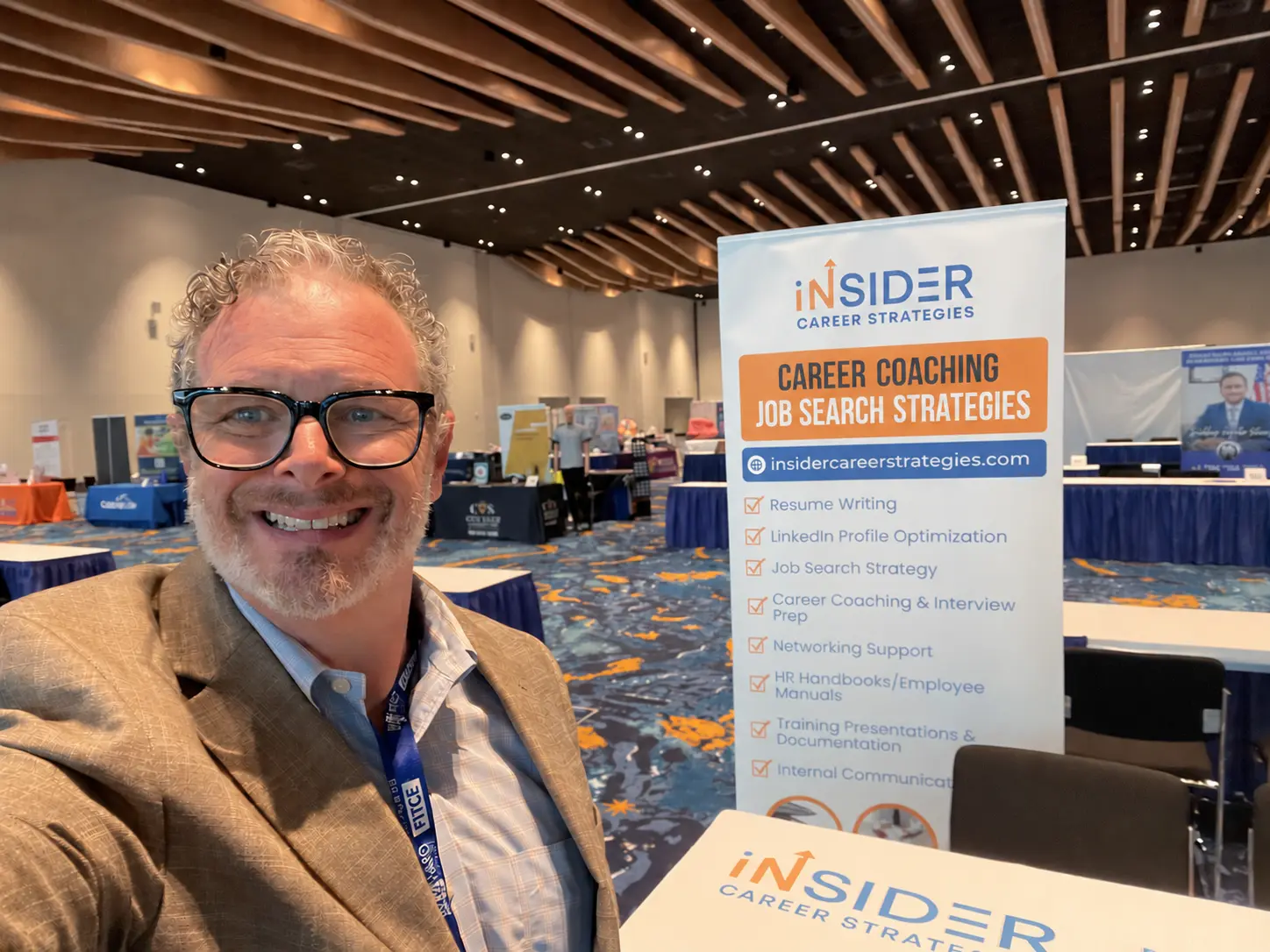
Scott Singer, founder of Insider Career Strategies, brings more than 20 years of corporate recruiting and career coaching experience, including building and managing college recruitment programs. His perspective helps students understand how employers evaluate candidates and where their job search strategies may need improvement.
Through SpringLoad’s personalized career coaching, college students and recent graduates can receive guidance on résumés, LinkedIn profiles, networking, job search strategy, and interview preparation.
Not getting interviews after college doesn’t mean you won’t find the right opportunity. It may simply mean it’s time to change how you’re approaching the search.
Still struggling to land interviews? Contact Scott Singer through SpringLoad to discuss your job search challenges and how personalized coaching may help.
Keyword: Not getting interviews after college
Meta Description: Not getting interviews after college? Discover common résumé and job search mistakes and practical ways to improve your chances.
Book a Consultation
It’s easy and free!