Graduating from college is an exciting milestone, but the transition into the professional world can also bring uncertainty. Your college graduate may have a degree, valuable skills, and big ambitions, yet still feel unsure about where to begin. As a parent, you naturally want to help. But finding the right balance between offering guidance and …


Graduating from college is an exciting milestone, but the transition into the professional world can also bring uncertainty. Your college graduate may have a degree, valuable skills, and big ambitions, yet still feel unsure about where to begin.
As a parent, you naturally want to help. But finding the right balance between offering guidance and allowing your graduate to navigate their own career journey isn’t always easy.
The best way to support your college graduate is to help them build confidence, develop independence, and recognize the progress they’re making along the way.
Here are six ways to make a positive difference.
1. Encourage Exploration, Not Just Employment
Not every college graduate knows exactly what they want to do after graduation. And that’s okay.
Encourage your graduate to explore different industries, career paths, and opportunities rather than focusing exclusively on landing the perfect first job.
Informational interviews, networking events, internships, and even temporary positions can provide valuable insights into what they enjoy and where their strengths lie.
The goal is to help them make informed decisions about their future, not pressure them into choosing a career path before they’re ready.
2. Help Them Recognize Their Strengths
College graduates sometimes underestimate the skills they’ve developed through their education and experiences.
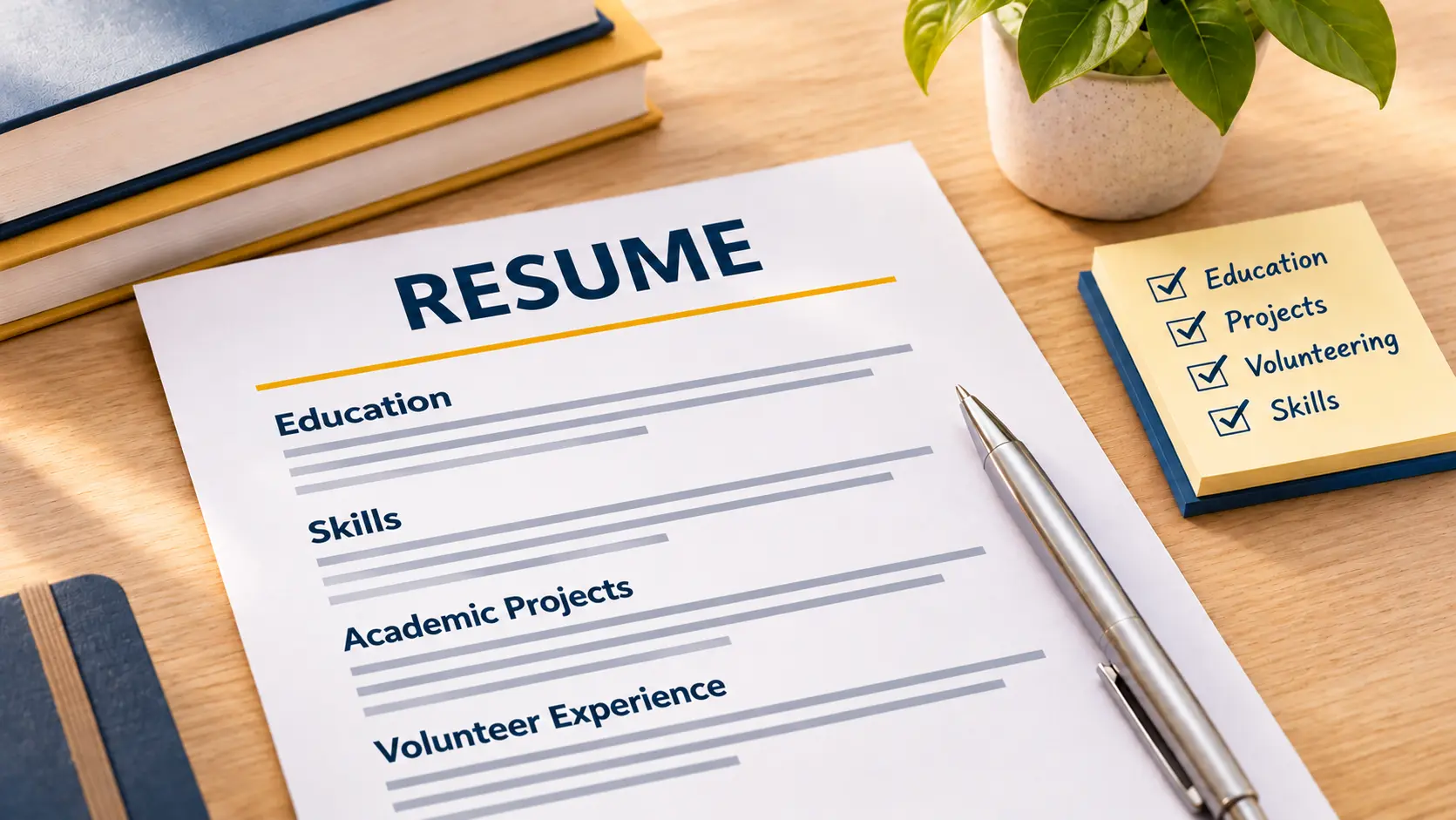
Academic projects, part-time jobs, volunteer activities, and extracurricular involvement can demonstrate leadership, communication, problem-solving, and teamwork.
Help your graduate identify accomplishments they’re proud of and think about how those experiences translate into professional skills.
Sometimes, hearing someone else recognize their abilities can give them the confidence to present themselves more effectively to employers.
3. Celebrate Progress Beyond Job Offers
A job search involves many small steps that deserve recognition.
Completing a strong résumé, making a new professional connection, attending a career fair, or securing an interview are all signs of progress.
Instead of focusing every conversation on whether they’ve received a job offer, acknowledge the effort they’re putting into the process.
Confidence grows when graduates recognize that progress isn’t measured solely by the final outcome.
This doesn’t mean ignoring setbacks. It means helping them maintain perspective while working toward their goals.
4. Offer Support Without Taking Over
It’s tempting to step in when your graduate encounters challenges, especially if you have professional experience or connections that could help.
But there’s a difference between offering guidance and managing their job search for them.
You might review a résumé when asked, introduce them to someone in your network, or help them practice interview questions.
However, let your graduate take responsibility for submitting applications, communicating with employers, and making career decisions.
Developing those skills is an important part of becoming an independent professional.
5. Keep Career Conversations Positive and Productive
Frequent questions about job applications, interviews, and employment status can unintentionally create pressure.
Instead of asking, “Have you found a job yet?” try questions that invite a more constructive conversation:
- What types of opportunities are you most interested in?
- Have you learned anything new about the industries you’re exploring?
- Is there anything I can do to support your search?
- What’s one thing you’re looking forward to working on next?
These conversations allow your graduate to share their experiences without feeling that every discussion is a performance review.
Listening can be just as valuable as offering advice.
6. Know When Professional Career Coaching Can Help
Sometimes, graduates benefit from guidance outside the family.
A professional career coach can provide an objective perspective, help identify strengths, develop job-search strategies, and build confidence through résumé development, networking, and interview preparation.
Career coaching can also give graduates a dedicated space to ask questions, explore possibilities, and take ownership of their professional development.
For parents, it offers a way to support their graduate’s progress without becoming their job-search manager.
Confidence Is Built One Step at a Time
Your college graduate doesn’t need to have their entire career mapped out immediately after graduation.
What matters is developing the skills, confidence, and resilience to navigate opportunities and challenges as they arise.
By encouraging exploration, recognizing progress, and allowing room for independence, you can help your graduate approach the next chapter with greater confidence.
Looking for additional support for your college graduate? SpringLoad Career Coaching helps college students and recent graduates build career confidence, strengthen job-search skills, and prepare for the transition from college to the professional world. Contact us to explore how SpringLoad can support their career journey.
Book a Consultation
It’s easy and free!